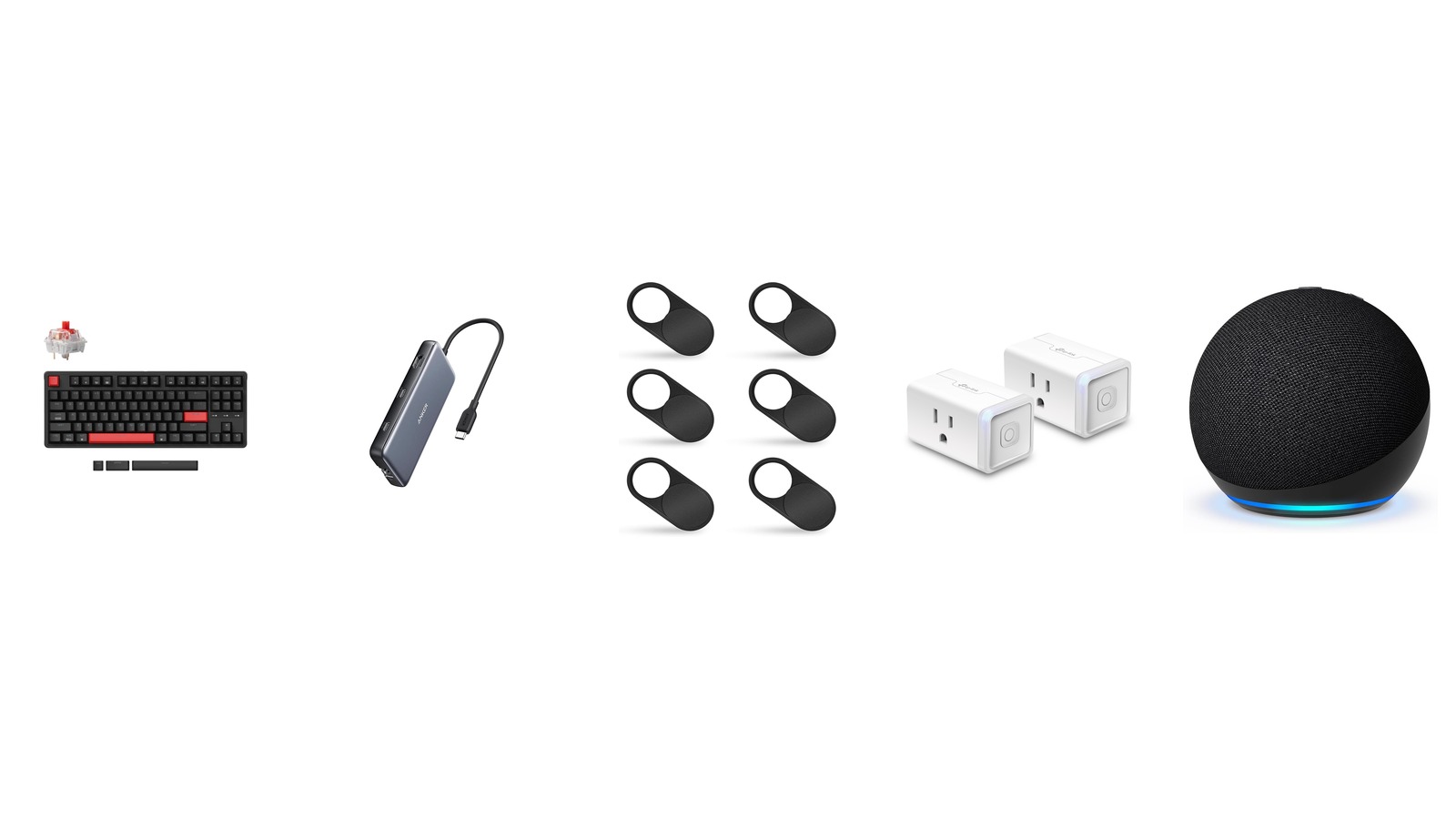
For the last few weeks we've been running a small internal test: letting our on-device agent place real Amazon orders for the team. Each person got a $50 budget and the agent picked items based on what it observed about how each of us actually works.
Some of what came back was predictable. Some of it surprised us. Below are the five picks that showed up most often, what the agent saw in our workflows that led to each one, and why we think these specific products map to where agentic commerce is going.
A note on how we think about this. The value of on-device AI isn't the model, it's the action. The agent doesn't just answer questions about productivity gear, it opens Amazon, evaluates options, and places the order. Every product below is something the agent surfaced and bought, not a list we built and then handed to it.
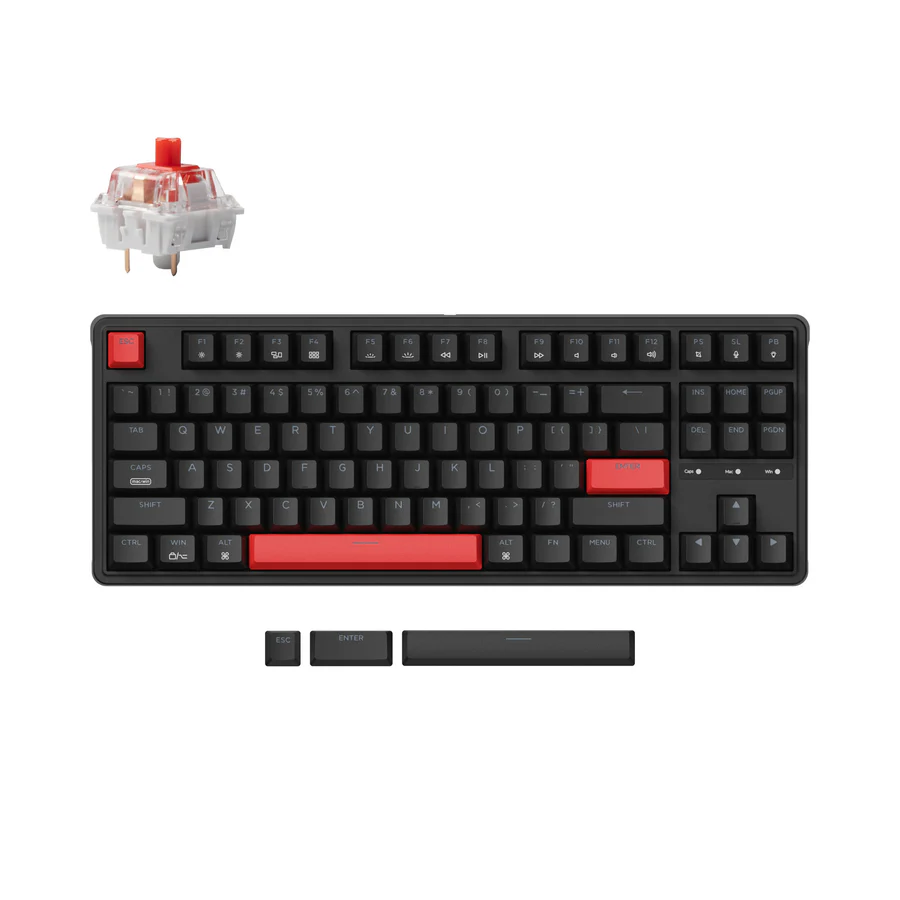
Half our engineering team toggles between macOS, Windows, and Linux in a single afternoon. The Keychron C3 Pro has a hardware switch for OS layout, hot-swap keys, and the kind of typing feel that makes a difference over a ten-hour day. The agent ranked it above every other budget mechanical because nothing else solved the multi-OS toggle without keymap software.
Why it fits us: any-OS is a real constraint, not a checkbox. If you're building an action layer that runs across operating systems, your team feels that constraint at the keyboard.
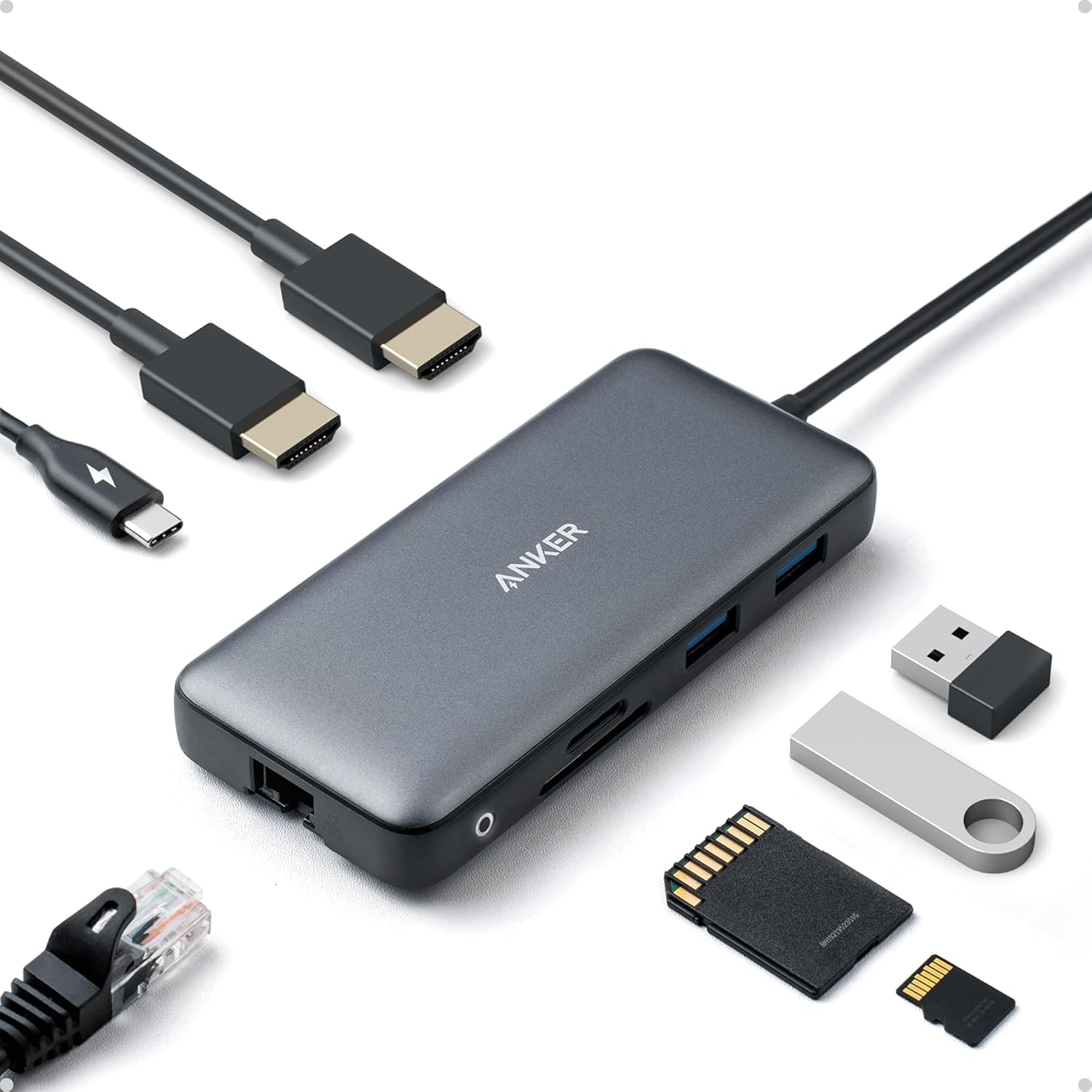
Three of us run a laptop, a phone test rig, and a second monitor at the same desk. The agent went straight to the Anker 8-in-1: 100W power delivery, two HDMI ports, gigabit ethernet, USB-A and USB-C in one block. It's not the cheapest hub on Amazon, but the agent flagged that the cheaper ones fail under sustained load. Our team verified.
Why it fits us: any screen, any device. The action layer is interface-agnostic. Your hardware should be too.
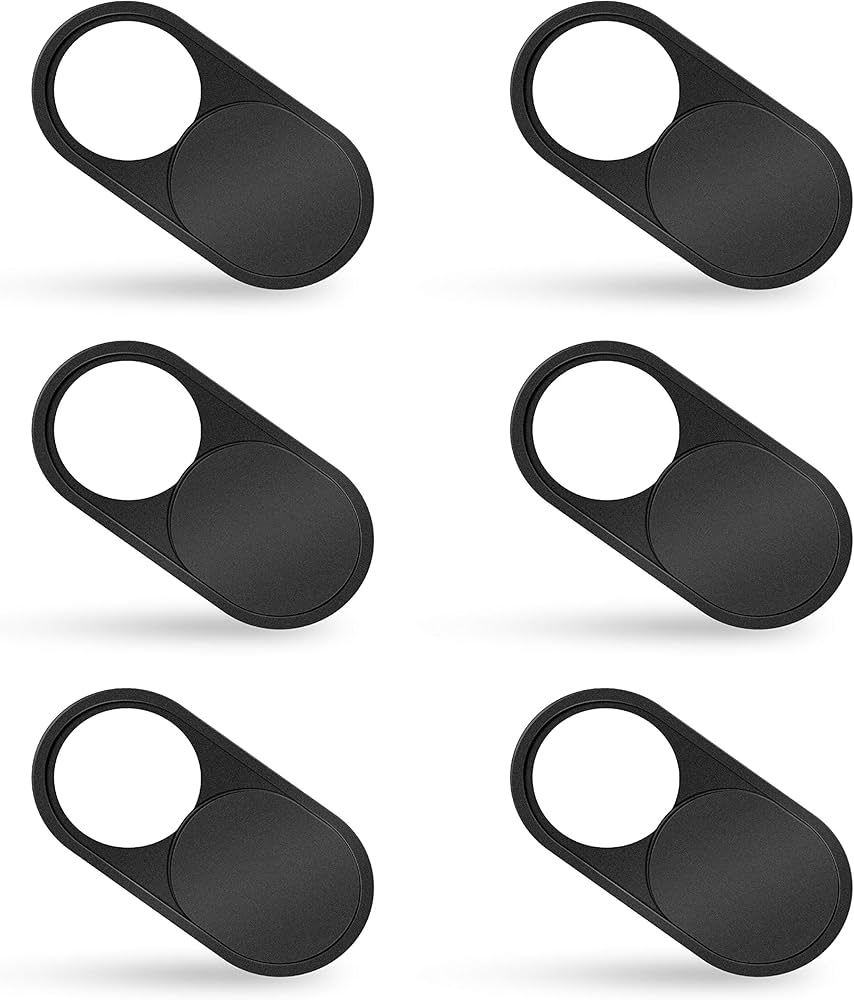
This one is on-brand. Privacy is a primary differentiator for what we're building, not a footnote. The agent picked the imluckies cover because it's metal (won't peel like the plastic ones), thinner than a credit card, and doesn't use magnets that can interfere with laptop sleep. Six bucks. Every team member got one.
Why it fits us: if you're building products where privacy is the differentiator, you do not run the team on devices with open cameras.
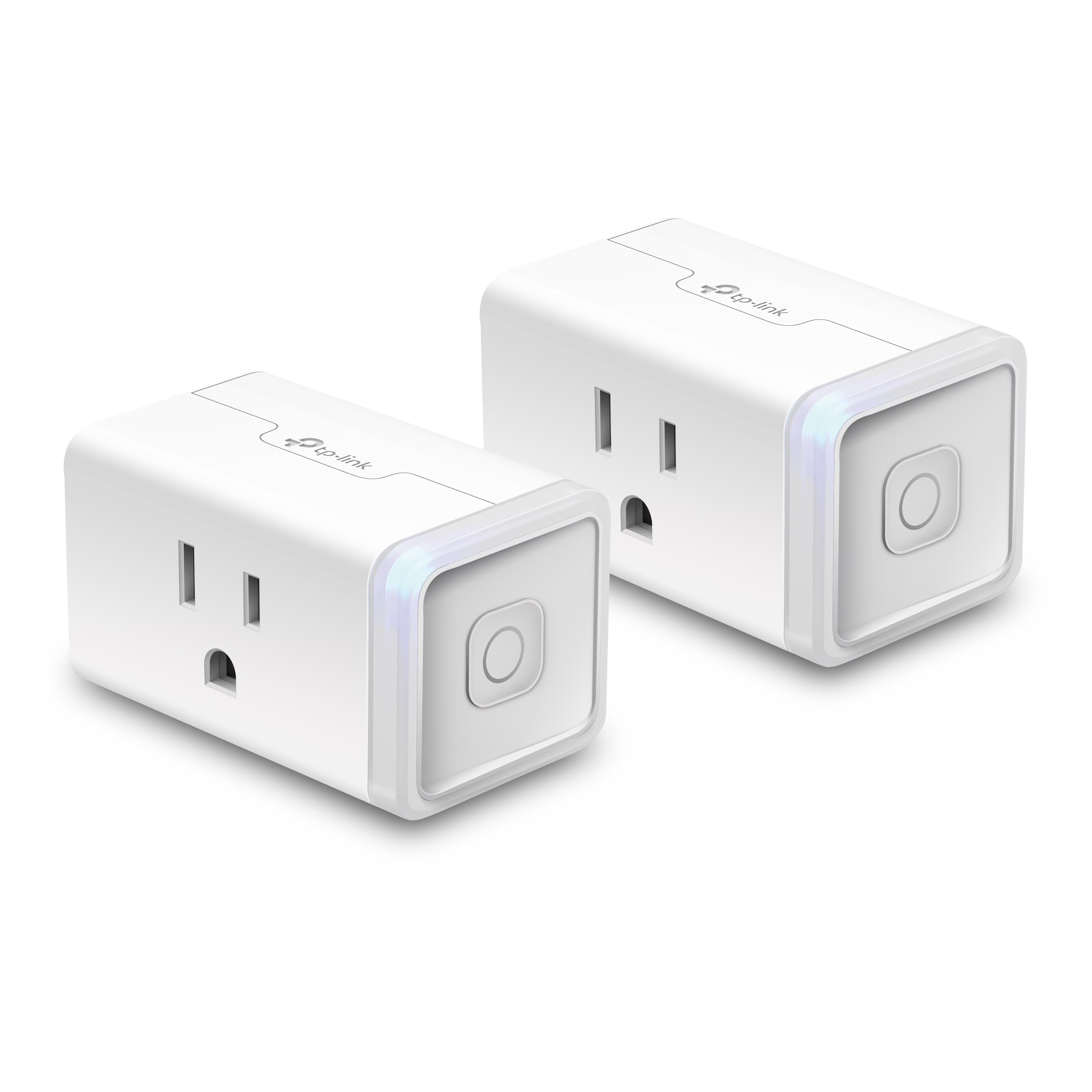
A few of us got smart plugs for desk lamps, monitor power, and fans. On the surface this is a cheap automation upgrade. What's interesting is what happens when you connect it to an action layer. The agent can already turn the desk light off when you close the laptop. That isn't a future feature, it's working in our office today.
Why it fits us: the action layer extends past the screen. Smart plugs are the cheapest way to give an agent something physical to do.
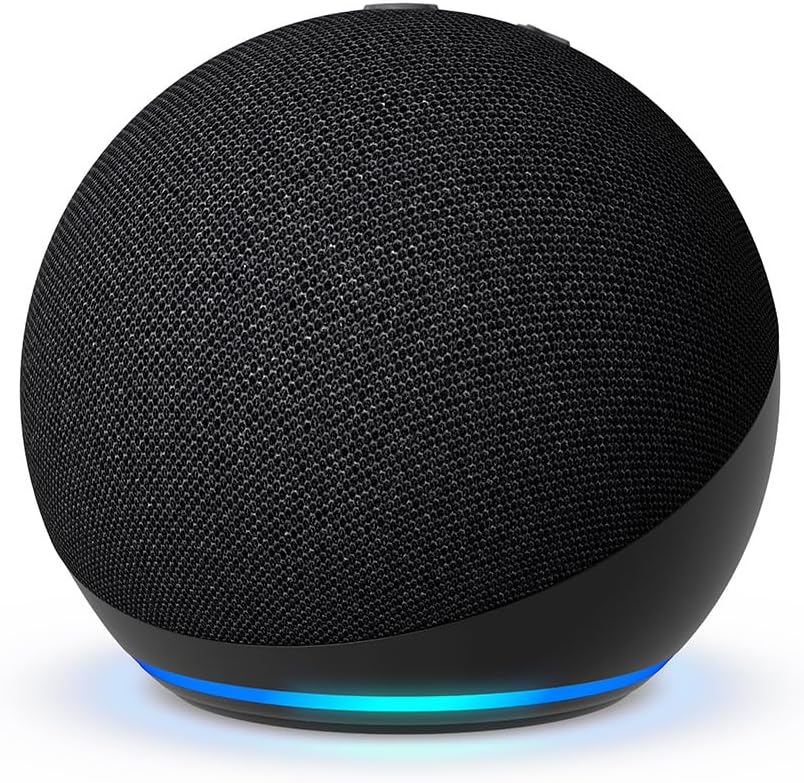
This is the cleanest example we know of an action device with no screen, which is the form factor we think most products are heading toward. Voice in, action out, no display in the middle. The agent flagged it as a category we should be paying attention to.
Why it fits us: the next generation of devices doesn't have a screen. The cheapest $50 simulation of what those interfaces will feel like is sitting on Amazon today.
A few of us spend two or three days a week off-desk, running Android demos at partner meetings or between sessions at a conference. Phone batteries do not survive that. The Anker Nano has a USB-C connector that folds into the body of the pack, so it docks straight into a Pixel without a cable in the bag. 5000mAh and 22.5W gets a dead phone back to usable in about fifteen minutes. The agent picked it over the cheaper packs in the same range because all of them required carrying a separate cable.
Why it fits us: an on-device agent is only useful if the device is on. That's a battery problem before it's a software one.
Most of the team works out of the same room four days a week, and the building's HVAC is doing its best. The Insignia HEPA covers 497 square feet, runs quiet enough to leave on through a meeting, and uses a true HEPA filter instead of the "HEPA-type" filters that show up at the same price. The agent ranked it above two cheaper purifiers in the same range because the filter replacement cost over a year came out lower.
Why it fits us: most of what an action layer eventually controls is not an app. It's an appliance.
We're early in agentic commerce. The version running internally today is doing first-purchase recommendations. The version we're working toward will compare options across retailers, listen for verbal requests through wearables, and clear the cart without asking.
About AGI Inc.: We're building on-device action AI for any screen, any app, any operating system. Our model can run locally on devices from phones to wearables, and acts across apps without integrations or APIs. Backed by Menlo Ventures, Point72, and angels from OpenAI, DeepMind, and Meta.